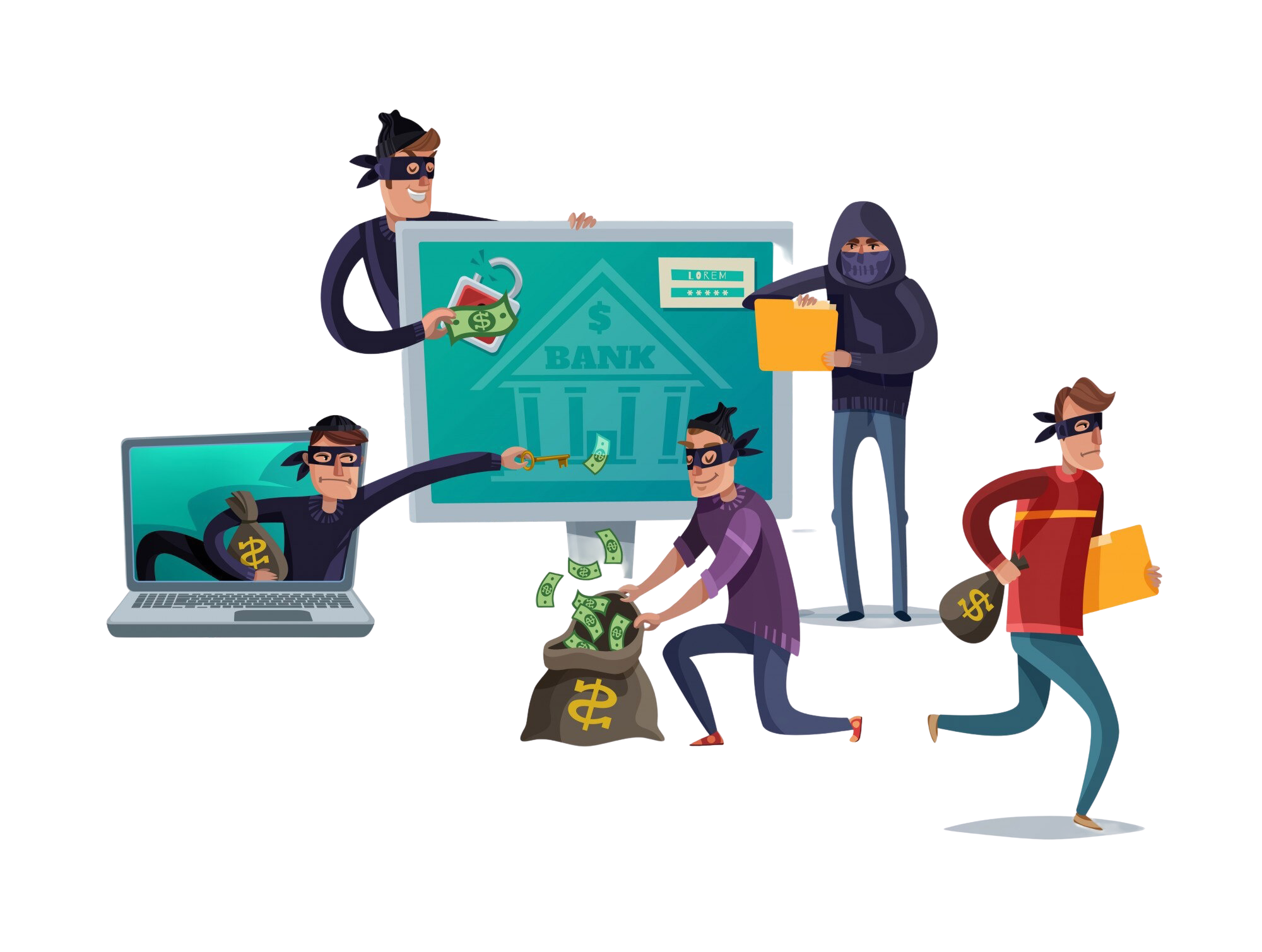
As digital ecosystems expand and transaction volumes grow, so do the vulnerabilities. Fraud has evolved from a mere line item in risk registers to the main topic in today’s digital economy. Treating it only as a matter of financial loss gravely misses the bigger picture. Every undetected case silently chips away at brand trust, profitability, and operational resilience until the cracks turn into full-blown crises threatening the very survival of the business.
The Financial Toll: Beyond the Obvious
Globally, organizations lose an estimated 5% of annual revenue to fraud, according to the Association of Certified Fraud Examiners (ACFE); that’s merely scratching the surface.
For fintechs and payment processors, fraud leads to:
- High chargeback rates, which jeopardizes relationships with card networks, regulators and acquiring banks.
- Escalating compliance fines, particularly in AML/KYC-sensitive jurisdictions.
- Increased customer support costs, with teams handling fraud-related complaints and recovery processes.
In ecommerce, where transaction volumes spike seasonally and globally:
- A single fraud event can result in direct financial loss plus penalties from payment gateways.
- False declines, legitimate transactions flagged as fraud, can cause up to $443 billion in lost revenue globally according to Juniper Research.
Fraud doesn’t just cost money, it creates systemic leakage and suffocates your profitability.
Reputational Damage: Trust Is Currency
In finance, trust equals conversion. The moment customers doubt the safety of their money, churn begins.
- 81% of consumers say they would stop engaging with a brand online after a data breach (IBM).
- A fintech app with fraud exposure sees user abandonment rise 3x faster than average.
- Payment platforms facing fraud complaints often lose merchant partnerships, especially in high-risk sectors.
In short: one major incident can undo years of growth, partnership development, and consumer trust, especially in industries where data sensitivity and trust are non-negotiable.
Operational Disruption: The Hidden Drain
Fraud doesn’t just cost money or reputation, it disrupts how your business runs.
- According to Cybersource’s fraud benchmark report, merchants spent up to 52% of their fraud budget on manual review processes.
- Fraud teams often spend 70% of their time in reactive investigations rather than proactive risk strategy.
- When fraud spikes, it’s common to see longer onboarding times, blocked transactions, and user friction, all of which kill conversion and trust.
For ecommerce players, it means delays in shipping and fulfillment, triggering refund requests and negative reviews. For fintechs, it means compliance bottlenecks and frozen customer funds. For payment platforms, it means API slowdowns, suspicious traffic surges, and regulatory scrutiny.
Tailored Impacts at a Glance:

How Fortifiy Mitigates Fraud Risk
At Fortifiy, we know that fraud is a daily reality. Whether you’re a fast-scaling startup or an established financial institution, the cost of inaction is far greater than the cost of prevention. That’s why our mission is clear: to help you outpace fraud before it cripples growth.
We do this by delivering:
- End-to-end layered defence that shields your entire fraud management lifecycle.
- Proactive detection that uncovers hidden risks and eliminates blind spots before they cause damage.
- Accelerated case resolution that cuts investigation time, reduces resource strain, and lowers operational costs.
- Seamless compliance that keeps you audit-ready and regulator-proof, without slowing business down.
Final Thoughts
Fraud is a growth inhibitor, a trust breaker, and an operational sinkhole. Survival won’t come to whoever is still debating if fraud will strike, but to the one ready for it when it does.
Casually coasting about fraud puts your business on borrowed time. Treat fraud management as a strategic priority to protect what you’ve built, unlock the confidence to scale, win customer trust, and outpace competitors.
The ownership of fraud management squarely and ultimately lies with senior management, the CEO and the board. The question in board rooms should therefore be “Are we prepared for the true cost of fraud?”

Leave a Reply to A WordPress Commenter Cancel reply